Why Woodburn’s Microclimate Matters for Heating & Cooling
Woodburn sits in the northern Willamette Valley, where maritime air, valley fog, and Pacific storm tracks meet. That mix produces cool, wet winters and mild, increasingly warm summers. On paper, average temperatures look tame. In practice, swings between damp 38-degree mornings and 92-degree August afternoons demand an HVAC setup that can pivot without wasting energy. If you’ve wondered why your utility bill jumps in January and again in late July, it’s the weather working your equipment from both ends—defrost cycles in winter and long compressor runs in summer.
After years of servicing Heating and Air Conditioning in Woodburn, OR, I’ve learned that the best systems here aren’t just efficient; they handle moisture, shoulder-season cycling, and smoky air events without complaint. That takes the right equipment, tuned controls, and a maintenance rhythm matched to local conditions.
Winter: Cold, Damp, and Tough on Heat Pumps
Woodburn winters run cool and wet. Average highs hover in the 40s and 50s, with many nights near freezing. The air is saturated, which accelerates coil icing on heat pumps. That means defrost cycles fire more often, robbing efficiency when you want it most. Gas furnaces fare better with steady heat, but drafts and infiltration from wind-driven rain can lengthen run times.
- Expect more frequent filter changes. Damp homes stir up dust and pet dander, and wet weather brings in debris. A dirty filter can create a 10–15% efficiency hit. Plan for defrost optimization. Modern heat pumps allow fine-tuning defrost timing and termination temperature. Small adjustments cut wasted cycles. Watch your crawlspace. Woodburn’s clay soils and winter rains drive humidity. High crawlspace moisture chills floors and increases heating load.
Pro tip: If you rely on a heat pump, pair it with a smart thermostat that supports balance points. Let the system switch to auxiliary or furnace back-up only when outdoor temps dip below a set threshold. An experienced HVAC Contractor Woodburn, OR can dial that in based on your home’s envelope and comfort preferences.
Summer: Rising Heat, Occasional Smoke, and Indoor Comfort
Summers in the mid-Willamette Valley have trended hotter, with more days touching the 90s. While humidity is lower than winter, heat domes push prolonged afternoon loads on condensers. When wildfire smoke drifts in, homeowners understandably keep windows shut and run Air Conditioning more hours, which traps indoor pollutants unless filtration is up to the task.
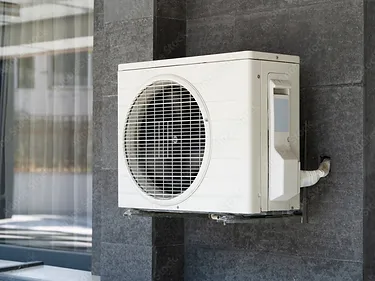
- Size matters. Over-sized systems short-cycle and miss dehumidification; under-sized systems run endlessly and struggle during peak heat. A proper Manual J load calculation matters more here than anywhere. Filter upgrades pay off. During smoke events, a MERV 13 filter can reduce fine particulate indoors. Expect shorter filter life—sometimes half the usual interval. Coil cleanliness is non-negotiable. Pollen and cottonwood fuzz can blanket outdoor coils by June. A dirty coil can add several degrees to head pressure, slashing efficiency.
Shoulder Seasons: Constant Switching Wears Components
Spring and fall in Woodburn bring 35-degree mornings and 65-degree afternoons. That daily swing tempts frequent mode changes between Heating and Air Conditioning. Without lockout settings or thoughtful thermostat programming, compressors and control boards see unnecessary cycles that shorten lifespan.
Ask your HVAC Company Woodburn, OR to program mode-change deadbands and compressor minimum off-time. Even a five-minute lockout can prevent short-cycling. In ducted systems, verify airflow balances so rooms don’t overheat by afternoon sun and force manual thermostat overrides that confuse schedules.
Moisture Management: The Hidden Load Driver
If I could fix one thing in most Woodburn homes, it would be moisture. High winter humidity makes 68 degrees feel clammy, while summer infiltration can push indoor RH above 60%, inviting microbial growth and comfort complaints. Your HVAC system can help, but only if it’s set up for moisture control.
Seal and ventilate the crawlspace. Ground vapor barriers, sealed vents, and controlled ventilation or dehumidification reduce latent load on the living space. Use longer, lower AC runs. Two-stage or variable-speed systems wring moisture better than single-stage units that blast and stop. Consider a standalone dehumidifier for basements or stubborn zones. It lets you raise the thermostat 1–2 degrees and feel just as comfortable.How Weather in Woodburn, OR Impacts Your HVAC System
“How Weather in Woodburn, OR Impacts Your HVAC System” comes down to three forces: damp winters, warmer summers, and shoulder-season swings. Dampness taxes heat pumps with defrost and indoor humidity, while heat waves challenge undersized condensers and neglected ductwork. Frequent switching in spring and fall accelerates wear. If you align efficient hvac installation tips equipment selection, controls, and maintenance with those patterns, you’ll see lower bills and fewer mid-season breakdowns. I’ve watched homeowners cut winter energy use by 8–12% simply by tightening ducts and optimizing heat pump defrost. On the summer side, coil cleanings and better filters during smoke periods avert nuisance high-pressure trips and protect indoor air.
Equipment Choices That Fit Woodburn’s Climate
There’s no one-size-fits-all. Here’s how I typically match systems to local needs:
- Dual-fuel heat pump with gas furnace back-up: Excellent for the valley’s cool, wet winters. Set a balance point around the low 30s, adjusted after a month of data. High-efficiency variable-speed heat pump: Great for tight, well-insulated homes. Superior humidity control in summer and quieter operation year-round. Ductless mini-splits: Ideal for additions, older homes with limited duct space, or zoned comfort. Pick models with cold-weather ratings for reliable winter output. Indoor air quality add-ons: MERV 13 filtration, sealed return ducts, and, where needed, ERVs to manage moisture while refreshing indoor air.
A trusted HVAC Contractor Woodburn, OR can run a Manual J, inspect ducts for leakage, and review your utility history to right-size the system. Brands matter less than proper design, commissioning, and airflow verification at each register.
Maintenance Calendar Tailored to Woodburn
Weather-driven wear calls for a local maintenance rhythm:
- February–March: Heat pump defrost check, furnace safety test, filter replacement, crawlspace moisture inspection. May–June: Outdoor coil cleaning, condensate line flush, airflow and refrigerant checks before the first heat wave. August: Filter change and quick coil rinse, especially after pollen or smoke episodes. October: Duct inspection and sealing touch-ups, thermostat programming for shoulder season, combustion checks if you have gas appliances.
Whirlwind Heating & Cooling and other established providers can bundle these visits. If you only pick one, schedule the spring tune-up before the first 90-degree day, when minor issues become emergency calls.
FAQ: Heating and Air Conditioning in Woodburn, OR
What’s the best thermostat setting for spring and fall? Aim for a 3–4 degree deadband between heating and cooling setpoints with an automatic changeover lockout. This reduces rapid switching.
How often should I change filters during wildfire smoke? Inspect monthly and replace when pressure drop rises or the media looks dark. Many homes need a fresh filter every 2–6 weeks in smoky periods.
Is a heat pump enough for winter? Yes for many homes, especially with variable-speed models. For drafty or larger houses, dual-fuel offers better comfort during cold snaps.
Do duct leaks really matter? Absolutely. In older Woodburn homes, 15–25% leakage is common. Sealing can cut bills and fix hot or cold rooms.
How Weather in Woodburn, OR Impacts Your HVAC System: Key Takeaways
Woodburn’s damp winters, warm summers, and rapid shoulder-season swings shape how your HVAC runs, ages, and costs you. Match your system to the climate with smart equipment choices, humidity control, and seasonal maintenance. If you need guidance, a seasoned HVAC Company Woodburn, OR can evaluate your home and set priorities that deliver comfort and efficiency.
For a local, field-tested perspective, Whirlwind Heating & Cooling has deep experience with the quirks of our valley weather and can help you select, tune, and maintain a system built for Woodburn life.
Name: Whirlwind Heating & Cooling
Address: 4496 S Elliott Prairie Rd, Woodburn, OR 97071
Phone: (503) 983-6991
Plus Code: 46GG+79 Woodburn, Oregon
Email: [email protected]